UK Office (HQ)
Address
Onnu Ltd, York House, York Road, Maidenhead, SL6 1SF,
United Kingdom


We believe that biomass pyrolysis is the most reliable and scalable form of carbon removal available to us right now. Simply, our vision is to see the vast potential of BCR realised through the rollout of pyrolysis plants across the world.
The cost of pyrolysis technology has previously held back the BCR industry. However, we are now at a point where biomass pyrolysis technology can become more mainstream through a price-point that is commercially viable for more projects.
Through our lower cost CarboFlow machine and innovative shipping and install methods, we can make a real difference.
Our CarboFlow technology delivers clean energy, while capturing carbon, manufacturing biochar and investing in local circular economies.
By 2030, we aim to have facilitated the annual delivery of:
of carbon
removed
biochar
manufactured
of clean energy generated
operational pyrolysis sites


Onnu is a developer of biochar carbon removal projects. We develop BCR projects in locations where we can deliver maximum environmental benefits and build both our own projects, or work with partners with suitable sites/feedstock to share the benefits.

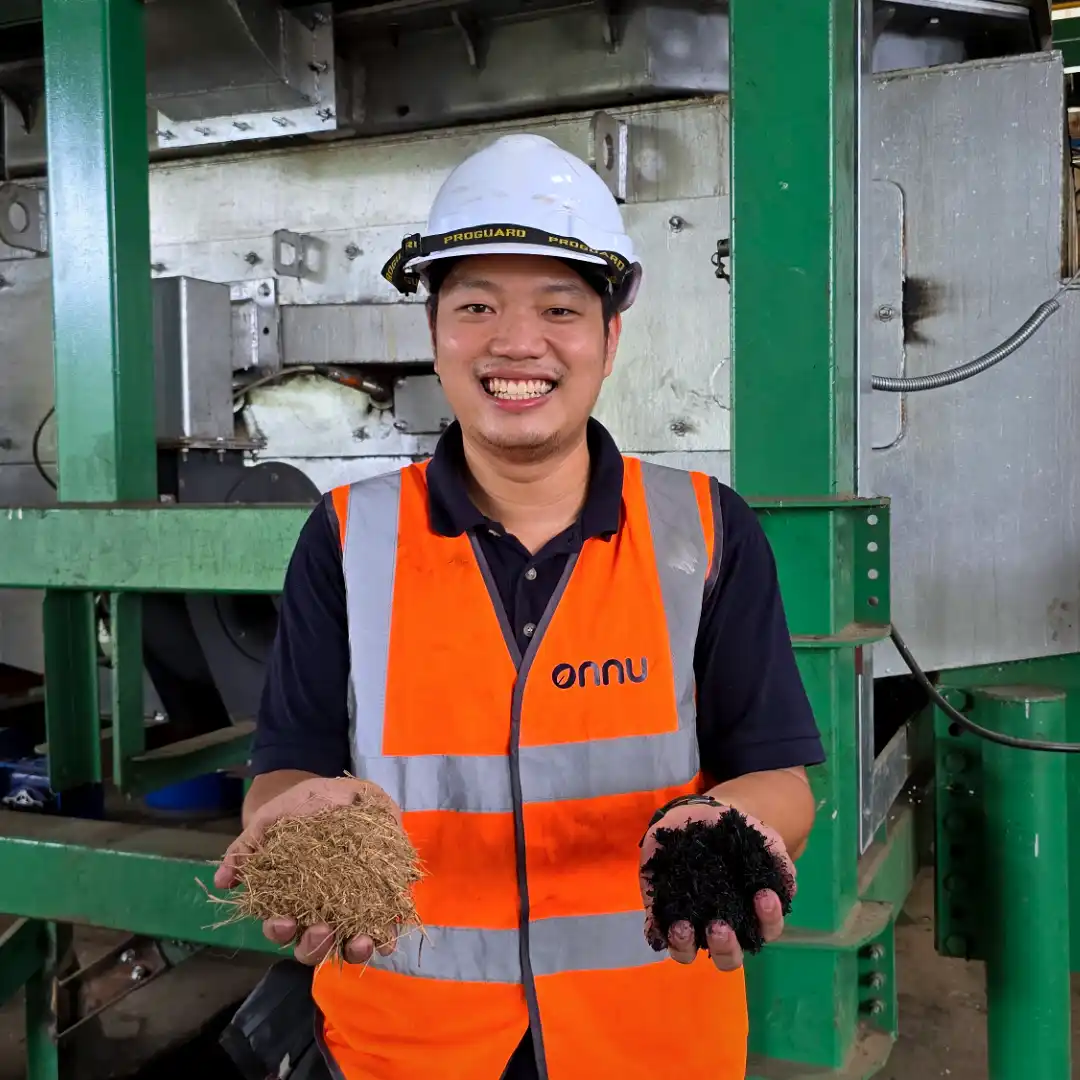
Onnu Engineering is a pyrolysis technology provider. Our CarboFlow technology delivers clean energy, captures carbon and produces biochar, creating a more circular economy.
Onnu is committed to excellence in our manufacturing and supply chain, working with the best partners and highest quality components to ensure that our equipment is high-performing, reliable and value for money.
Seb is a veteran of biomass pyrolysis and has worked in the industry, with multiple biochar production technologies, for 15+years. He has lead the implementation of various equipment in North and South America, Europe and Asia.
Seb has taken the practical experience of both build and operation to produce a design for CarboFlow that maximizes performance and ease of operation, while ensuring commercial viability.
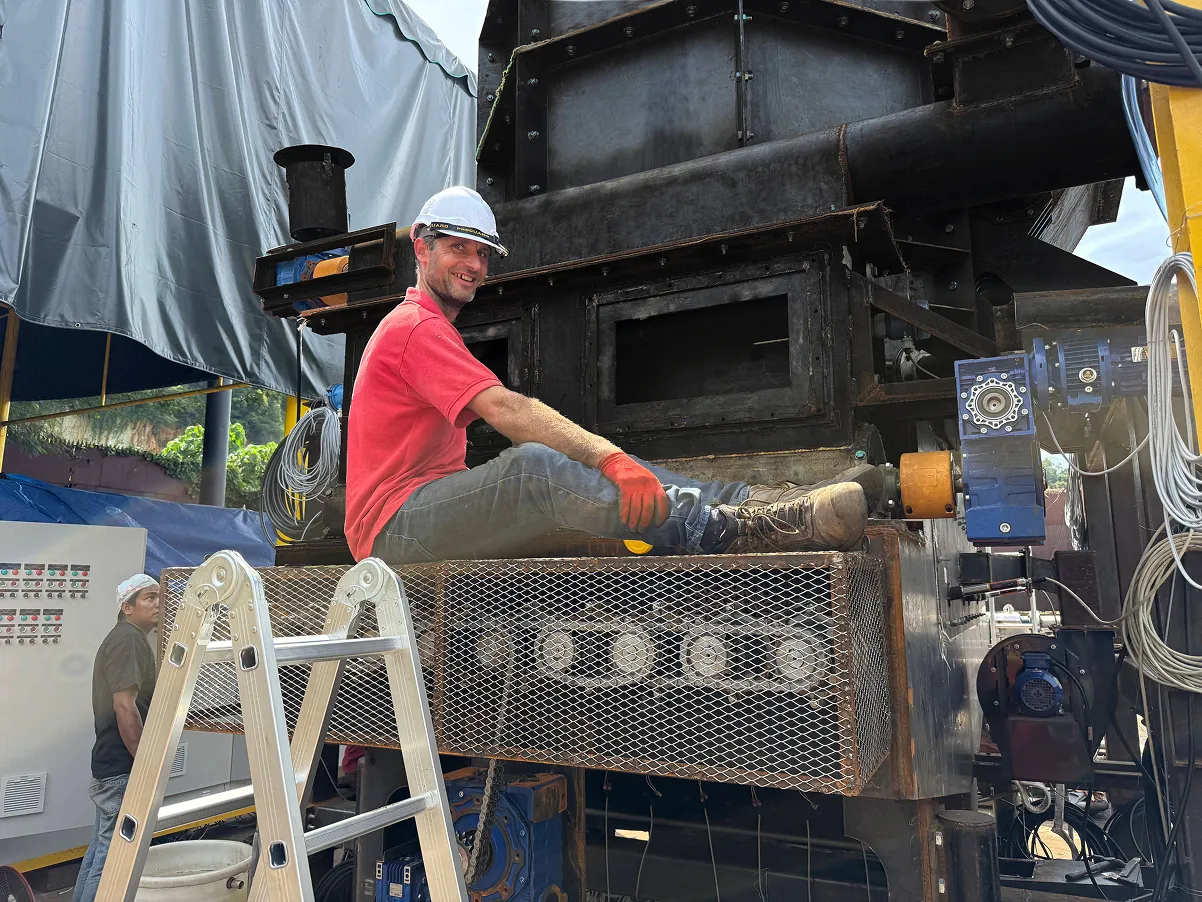
Working in close proximity to the locations of our first CarboFlow installations, the core of our manufacturing is in Malaysia, where we work with world-class manufacturing companies with specialisms in the various components we need.
We have designed CarboFlow to be flexible, allowing us to distribute work to partners in different regions of the world as our roll-outs require, ensuring quality, minimizing transportation and supporting local economies.
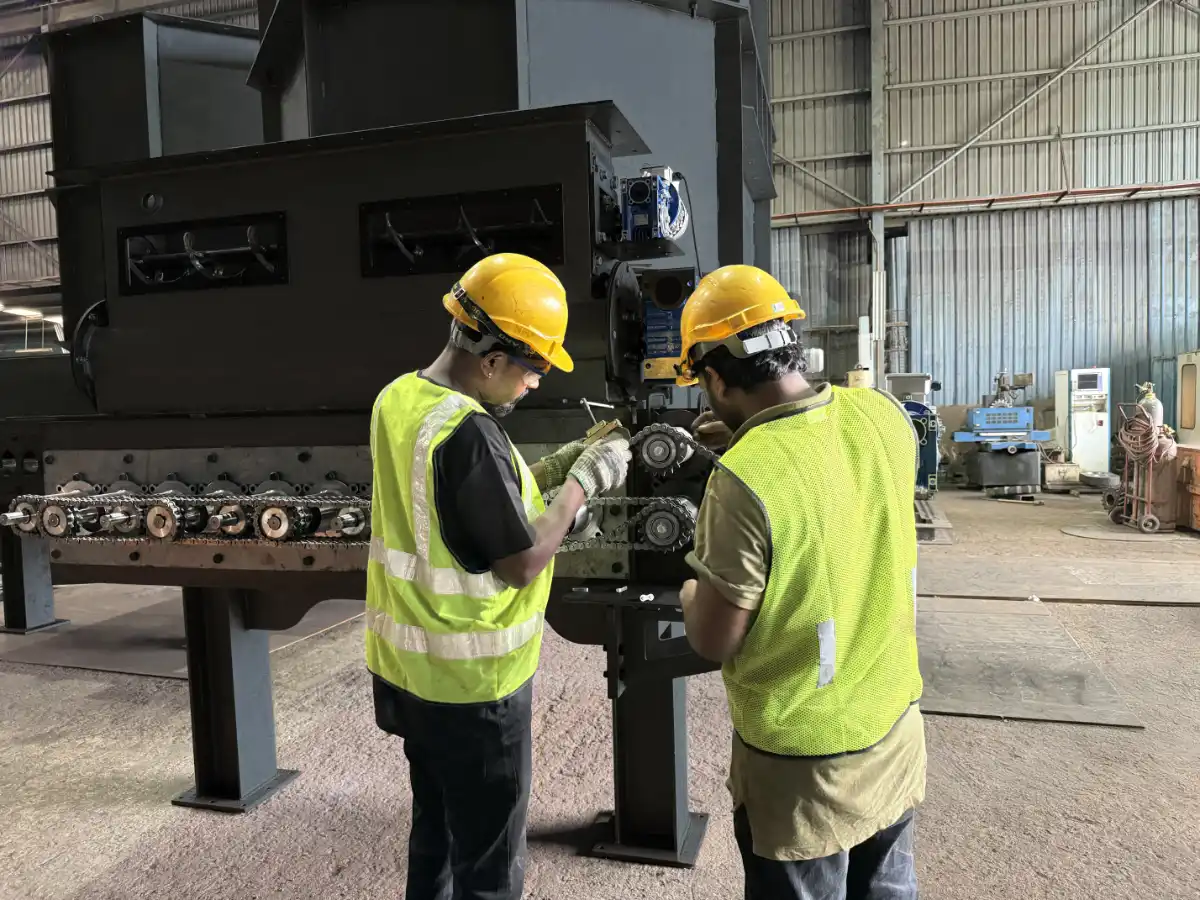
Our CarboFlow units are made from high-grade steel, and utilize best-in-class components to ensure reliability and longevity. Where components are expected to require replacement over time, they are inexpensive and accessible to minimize downtime and disruption.
CarboFlow is fully CE compliant, ensuring adherence with the latest EU health, safety and environmental protection regulations. Backed by the Declaration of Conformity and the official CE marking, it delivers proven reliability of our machinery and absolute confidence for customers.
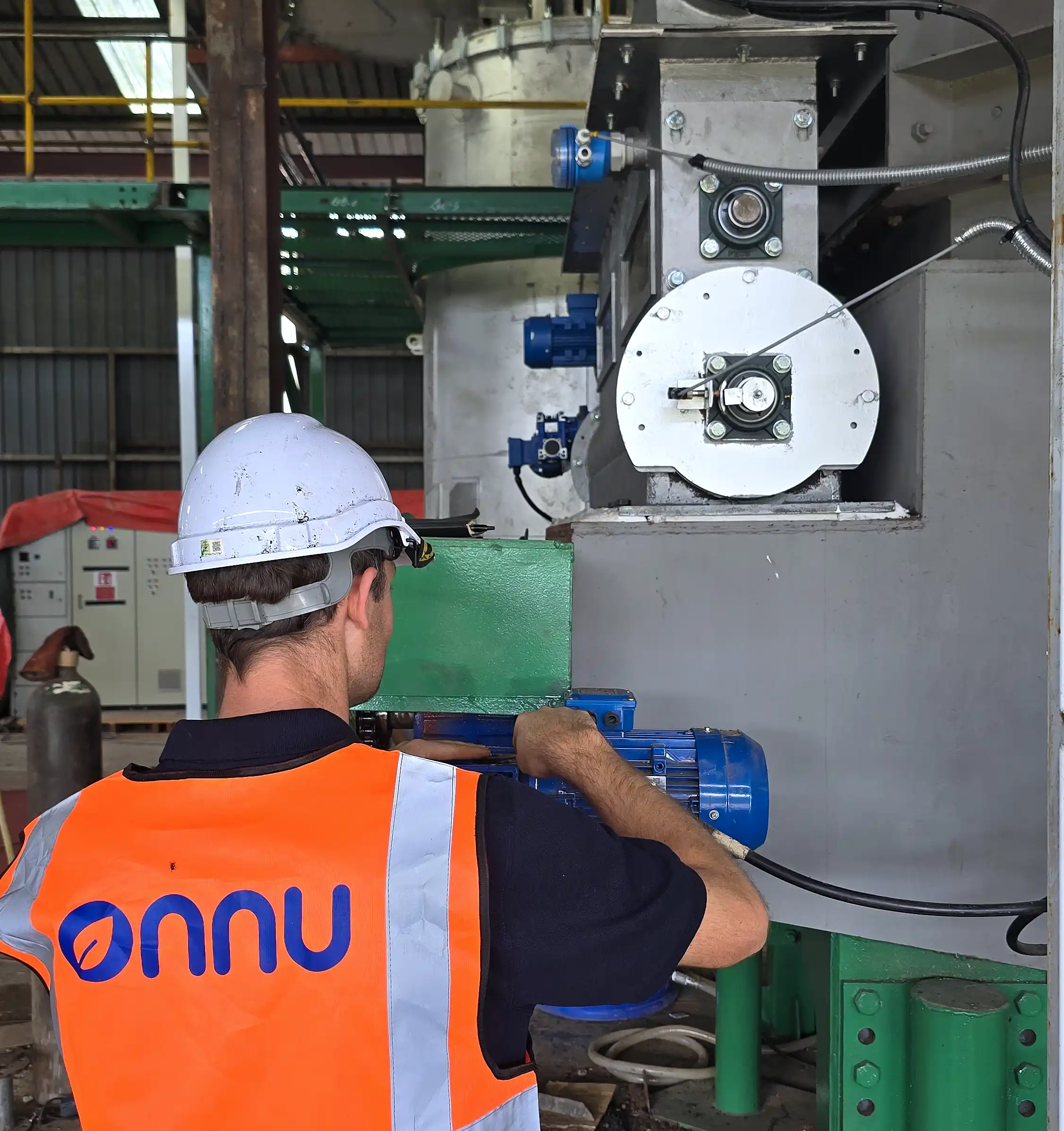
Each CarboFlow unit is manufactured from responsibly sourced steel and components, with a focus on longevity and recyclability.
We prioritize local fabrication, efficient transport, and environmentally responsible suppliers to keep the machine’s embodied carbon as low as possible.

Address
Onnu Ltd, York House, York Road, Maidenhead, SL6 1SF,
United Kingdom

Address
21 Dreyer Street, Claremont,
Cape Town 7780,
South Africa
Phone

Address
A-29-8, Menara UOA Bangsar, Jalan Bangsar Utama 1, Bangsar 59000, Kuala Lumpur

We’re pleased to announce that, following a vetting process and thorough assessment of our CarboFlow technology, Onnu has been approved as an official Rainbow Partner in the Industrial Biochar Tech Manufacturer category.
The true foundation of a project's effectiveness and profitability is the feedstock. In this blog, we break down three of the most important considerations when it comes to feedstock planning: chemical properties, moisture levels, and supply chain security.
To ensure your project is viable, and to give you a solid foundation when engaging suppliers or investors, it is essential to get to grips with the basics first. Here are the four critical steps to planning a successful pyrolysis project.